Frequently Asked Questions
Here are the answers to some frequently asked questions. If you can’t find your answer here or anywhere else on our website, please get in touch below.
No — we are an independent charity operated entirely by volunteers. We receive no direct government funding, so we rely on donations, sponsorships and fundraising to remain operational.
We attend a wide range of incidents including:
Lost or missing walkers, hikers or cyclists
Injuries in remote or rough terrain
People in vulnerable situations (for example missing children or adults)
Support for other emergency services in major incidents
Some searches may take several days to complete.
If you’re in an emergency and in our area:
Dial 999 (or 112) and ask for “Police” then “Mountain Rescue”
Provide your location, describe what’s happened, and follow instructions from the emergency services
This is the correct and safe way to call us out.
No — we do not charge the person in distress for call-out or rescue. Our service is provided free at the point of need.
You can follow us on our social media channels (Facebook, Instagram, Youtube), subscribe to our newsletter and share our posts.
Every like, share and mention helps raise awareness of what we do and the need for support.
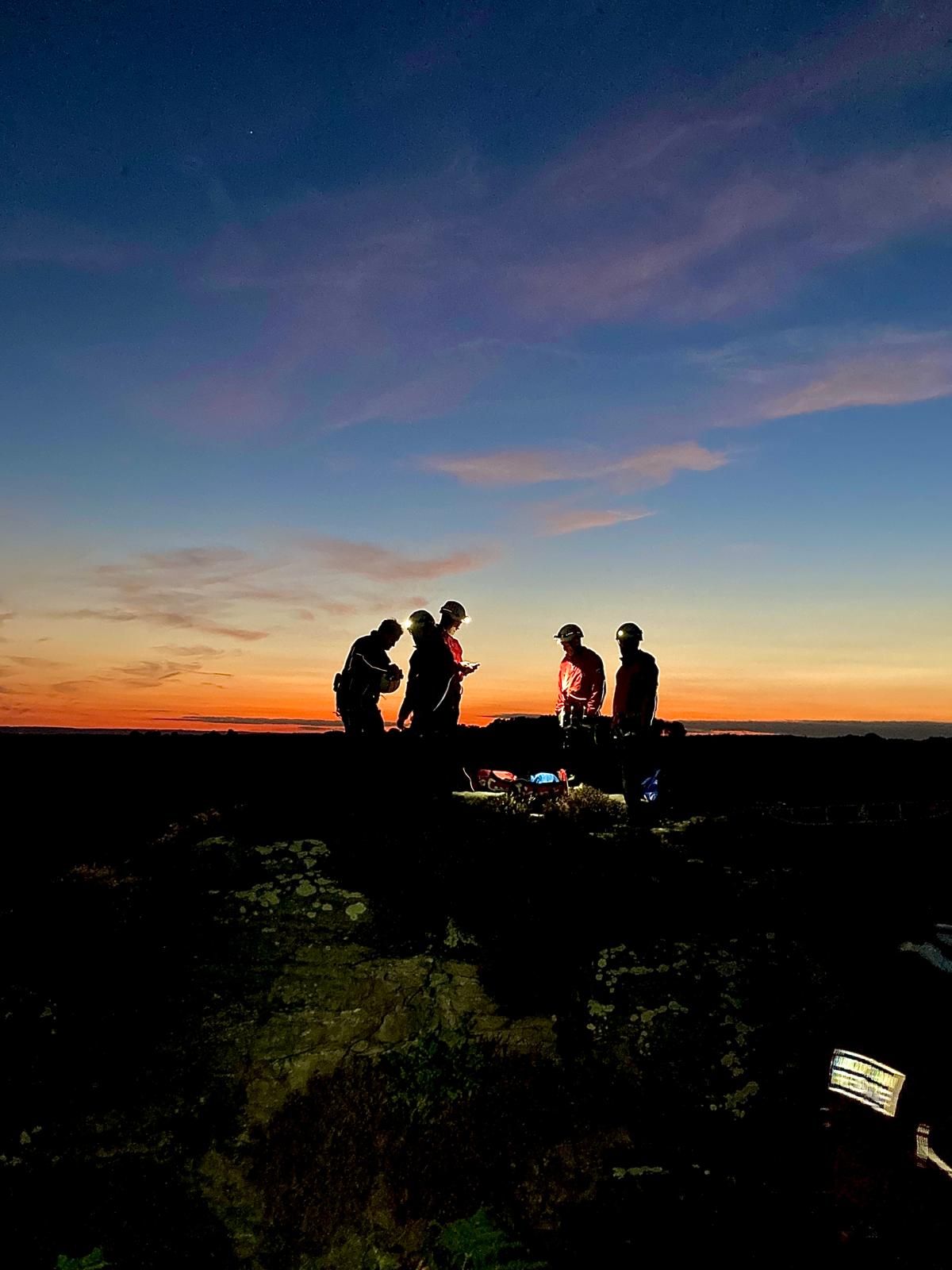
We use specialist vehicles, medical kit, rope-rescue gear, water-rescue equipment and communications systems. Because terrain in our area varies from moorland to forest to urban fringe, our kit and vehicles must cover a wide range of conditions. Training is ongoing so volunteers are ready for whatever the call brings.
Our patch covers the south-eastern half of the North York Moors National Park, Dalby Forest and the Yorkshire Wolds, alongside adjacent areas. Boundaries are shaped by geography, terrain, local need and existing emergency service cover arrangements.